In Uniform or in Service: Mapping a Federal Optometry Career Beyond Private Practice

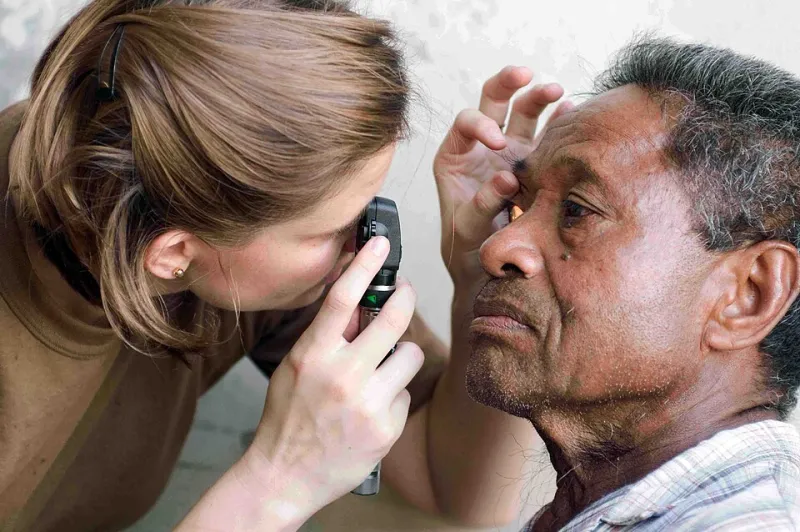
Photo: RoySmith, CC BY-SA 4.0, via Wikimedia Commons
Federal optometry is often discussed as a single alternative to private practice. In reality, it is a family of career paths with different missions, hiring systems, and daily rhythms. A Veterans Health Administration optometrist, an active-duty Air Force optometrist, and a clinician working for a federal health agency may all wear a white coat, but they enter through different doors and work under different expectations. For optometrists considering public service in 2026, the first task is to distinguish among those doors.
The Federal Pathway Is Not One Pathway
The VA system is the largest civilian federal employer of optometrists. Military service offers active-duty and reserve routes. Other federal agencies, including the Indian Health Service and civilian positions within the Department of Defense, provide additional options. Each pathway has its own application portal, credentialing requirements, pay structure, and relocation norms. Applicants who treat federal service as a generic backup often misread the timeline and the commitment.
Veterans Health Administration: Mission-Driven Care With a Long Runway
VA optometry appeals to clinicians who want to serve veterans, practice in a team-based medical setting, and access a broad range of diagnostic resources. The work often involves complex ocular disease, diabetes management, low vision rehabilitation, and coordination with primary care and specialty services. The pace can be steady rather than entrepreneurial. Documentation, panel management, and federal hiring rules shape the day.
The hiring process is rarely quick. Positions are posted on USAJOBS, and applicants should expect a structured review, eligibility screening, interviews, credentialing, and onboarding. A background check and security clearance process may add time. Credentialing for clinical privileges is separate from state licensure. The optometrist must hold a valid license and meet the agency's privileging requirements, which can include verification of education, training, malpractice history, and clinical competencies. Start dates may be weeks or months after a verbal offer.
VA pay and benefits should be evaluated as total compensation. The package typically includes federal health benefits, retirement contributions, paid leave, and malpractice coverage, but the specific pay system and locality adjustments matter. Applicants should request the current 2026 pay information for the facility and understand how the offer is structured before comparing it with private practice.
Military Service: Active Duty, Reserve, and the Commitments Behind the Uniform
Military optometry is a commissioned officer career. Active-duty optometrists serve in Army, Navy, and Air Force settings, providing care to service members and eligible beneficiaries. The role may include primary eye care, contact lens fitting, readiness screening, and deployment support. Reserve and National Guard routes allow for part-time service, but they still carry training, deployment, and mobility obligations.
Accession paths vary. Students may explore health professions scholarship programs, while licensed optometrists may apply through direct accession depending on the service's needs. Physical standards, officer training, and security requirements apply. Military pay includes basic pay, allowances for housing and subsistence, and potentially special or incentive pay. Retirement and health care benefits are significant, but they come with service commitments and relocation expectations. A military career is not a schedule preference. It is a life structure.
Other Federal and Tribal Health Settings
The Indian Health Service and other federal health programs offer optometrists the chance to work in underserved communities with a public health orientation. These roles may involve travel to satellite clinics, broad clinical responsibility, and a strong emphasis on access. Civilian positions within the Department of Defense can resemble hospital-based practice, with a structured referral system and a beneficiary population that differs from a typical private office. Each agency has its own hiring website and credentialing steps, so applicants should verify the current process rather than relying on general federal advice.
Culture Shock and Credentialing Details
Federal service tends to be more process-driven than private practice. Hiring, purchasing, scheduling, and clinical privileges may move through layers of approval. That structure can be frustrating for optometrists accustomed to making quick decisions in a small practice. It can also be liberating for clinicians who want to focus on patient care without managing payroll, rent, and inventory.
The cultural adjustment is real. VA care is team-based and documentation-heavy. Military care is readiness-focused and hierarchical. Tribal and public health settings may require cultural humility and flexibility. Applicants should ask about productivity expectations, call responsibilities, travel, and the ratio of direct patient care to administrative work. They should also ask how scope of practice is interpreted within the facility, because federal settings can differ from state-level private practice norms.
Pay, Benefits, and the Total-Compensation Lens
A federal offer should be compared with private practice on a total-compensation basis. Base pay, locality adjustments, health insurance, retirement contributions, paid leave, continuing education, malpractice coverage, and relocation support all matter. Military compensation includes allowances and non-cash benefits that are not visible in a simple salary figure. VA and other federal benefits may include pension and thrift savings components, but the value depends on tenure and contribution rates. The optometrist should model the package over five and ten years, not just the first year.
Advice by Career Stage
Students and new graduates should begin exploring federal pathways early, especially if they are interested in scholarship or direct-accession programs with long lead times. Mid-career optometrists should assess whether they can tolerate a slower hiring process and a structured clinical environment, and whether their licenses and credentials transfer cleanly. Late-career optometrists may value federal benefits and mission-driven work, but should examine retirement rules and relocation requirements carefully.
Federal optometry is not a fallback for clinicians who dislike private practice. It is a distinct career with its own rewards and constraints. The optometrists who thrive tend to be those who choose the specific pathway deliberately, prepare for the credentialing timeline, and understand that public service is a different kind of professional bargain.