Beyond General Practice: The Optometry Specializations Driving Higher Pay and Greater Career Satisfaction

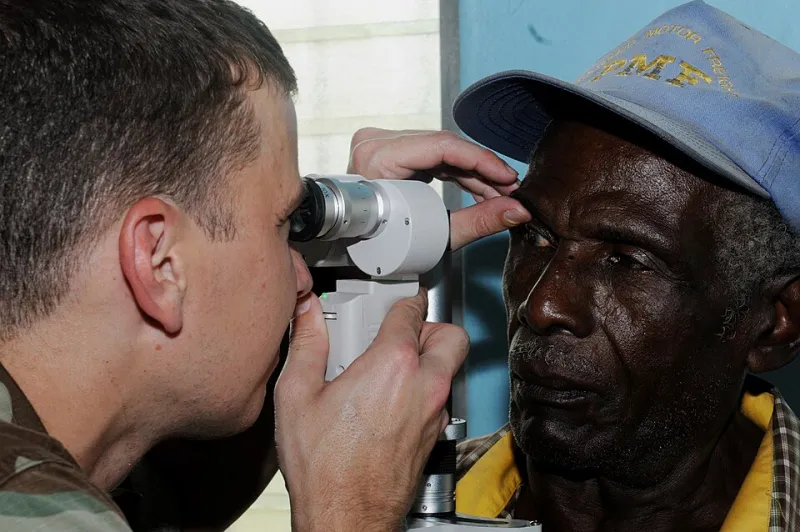
Photo by Photo by John Kane on Unsplash on Unsplash
The image of an optometrist conducting routine refractions and dispensing prescription eyewear, while still central to the profession, represents only one point on a much broader career spectrum. Across the United States, a quiet but significant shift is underway as growing numbers of ODs pursue specialized training that repositions them within the eye care ecosystem—commanding stronger compensation, attracting distinct patient populations, and often enjoying scheduling arrangements that general practice rarely affords.
For optometrists evaluating their next career move, or for new graduates plotting a long-term trajectory, understanding which specializations are gaining momentum—and where geographic demand outpaces supply—can be a decisive professional advantage.
Sports Vision: Performance Meets Eye Care
Sports vision is among the more dynamic niches within optometry, intersecting clinical skill with athletic performance science. Practitioners in this space assess and train the visual systems of athletes—evaluating dynamic visual acuity, depth perception, contrast sensitivity, and eye-hand coordination—then develop targeted programs to enhance on-field performance or support recovery from vision-affecting injuries.
Demand for sports vision services has grown alongside the broader expansion of sports medicine as a discipline. Professional sports franchises, collegiate athletic programs, and high-performance training facilities are increasingly integrating vision training into their support staff structures. Private sports vision clinics have also emerged in major metropolitan markets.
Dr. Jonah Freed, who built a sports vision practice in the Denver area after completing a residency with a performance focus, notes that the work attracts a highly motivated patient demographic. "Athletes are invested in improvement in a way that's energizing to work with. And the referral network, once you establish credibility with local coaches and trainers, becomes self-sustaining."
The American Optometric Association's Sports Vision Section and the College of Optometrists in Vision Development (COVD) offer pathways to recognized credentials. While formal board certification in sports vision is not yet universally standardized, practitioners who combine residency training with documented clinical hours and continuing education in this area are increasingly sought after.
Compensation in sports vision varies widely based on setting—ODs embedded with professional teams can command salaries well above the national median, while private practice specialists in this niche typically see premium fee-for-service revenue from a self-pay patient base.
Pediatric Optometry: A Chronically Underserved Specialty
Pediatric optometry addresses the visual development needs of infants, children, and adolescents—a population whose eye care is frequently deprioritized until problems become symptomatic. Conditions including amblyopia, strabismus, convergence insufficiency, and myopia progression are well within the clinical scope of a trained pediatric OD, and early intervention in each case carries significant long-term implications for a child's development and academic performance.
The demand for pediatric eye care specialists consistently outpaces supply across much of the country, particularly in rural areas and underserved urban communities. States including Mississippi, West Virginia, and New Mexico have documented shortages of practitioners equipped to manage pediatric cases beyond basic refractions.
The COVD offers the Fellow of the College of Optometrists in Vision Development (FCOVD) credential, which is widely recognized as a marker of advanced competency in developmental and pediatric vision care. Residency programs with a pediatric or binocular vision focus provide the most direct pathway into this specialty.
Practitioners in pediatric optometry frequently report high levels of career satisfaction, attributing it to the tangible impact of early intervention and the long-term patient relationships that follow families over years. Compensation tends to be competitive, particularly for ODs who incorporate vision therapy services, which are billed at premium rates and are not volume-dependent in the same way that routine exams are.
Low Vision Rehabilitation: A Growing Need in an Aging Nation
As the US population ages and the prevalence of conditions such as macular degeneration, diabetic retinopathy, and glaucoma increases, the demand for low vision rehabilitation services is rising sharply. Low vision ODs work with patients whose vision cannot be fully corrected by conventional means, prescribing specialized optical devices, training patients in adaptive techniques, and coordinating with occupational therapists and orientation and mobility specialists.
This specialty is notably underserved. The American Academy of Optometry's Low Vision Section estimates that fewer than 1,000 optometrists in the United States identify low vision rehabilitation as a primary clinical focus—a figure that stands in stark contrast to the millions of Americans living with significant visual impairment.
The certification pathway includes completion of a low vision residency or a structured postgraduate fellowship, along with the American Board of Optometry's Low Vision diplomate credential. Practitioners often find employment within hospital systems, Veterans Affairs facilities, and nonprofit organizations serving the blind and visually impaired—settings that frequently offer competitive salaries alongside robust benefits packages and more predictable scheduling than private practice.
Dr. Priya Nambiar, a low vision specialist affiliated with a VA medical center in the Pacific Northwest, describes her work as among the most clinically meaningful of her career. "You're helping someone regain the ability to read their grandchildren's birthday cards or navigate their own home safely. The stakes feel very real."
Geriatric Optometry: Opportunity in an Overlooked Population
Closely related to low vision care but broader in scope, geriatric optometry addresses the full spectrum of eye health concerns affecting older adults—including cataract co-management, glaucoma monitoring, dry eye disease, and the neurological visual conditions associated with conditions like Parkinson's disease and stroke.
Assisted living facilities, skilled nursing communities, and continuing care retirement campuses across the country are actively seeking ODs willing to provide on-site services, creating a model that combines meaningful clinical work with schedule flexibility. Mobile optometry—bringing equipment directly to residents who cannot travel to a traditional office—is an increasingly viable and profitable practice model within this niche.
No single geriatric optometry credential exists at present, though completion of a residency with a primary care or ocular disease focus, combined with targeted continuing education, positions practitioners well. Compensation in this space varies by setting, but ODs operating mobile geriatric practices often report favorable revenue relative to overhead.
Choosing a Path: What to Consider
For optometrists contemplating a move into specialized practice, several practical considerations merit attention. First, assess regional demand: the AAOE and state optometric associations often publish workforce data that can identify underserved specialties in specific markets. Second, evaluate training requirements honestly—some credentials require formal residency programs that may not be accessible to established practitioners without significant disruption, while others can be pursued through continuing education and mentorship.
Finally, consider the referral ecosystem a specialty requires. Sports vision and pediatric care, for instance, depend heavily on relationships with coaches, pediatricians, and school systems. Low vision and geriatric care connect practitioners to medical specialists and social service agencies. Building those networks takes time, but the long-term career stability they create is substantial.
Specialization in optometry is not simply a compensation strategy—though the financial rewards are real. For many practitioners, it is the mechanism through which a career remains intellectually alive, clinically challenging, and personally rewarding across decades of practice.