The Real Price of Independence: A Line-by-Line Look at Opening Your Own Optometry Practice in 2025
Optometry schools do an admirable job teaching ocular disease, contact lens fitting, and binocular vision. What they almost never teach is how to read a commercial lease, structure an equipment loan, or survive the eighteen months between opening day and consistent profitability. For graduates weighing corporate employment against ownership, that gap in preparation can be expensive.
The case for independence remains strong. Practice ownership offers income potential that salaried positions rarely match, control over clinical decisions, and an asset that can eventually be sold. But the barrier to entry is real, and in 2025 it is higher than most new graduates expect.
The Startup Budget, Line by Line
A cold-start practice — no patient base, no existing location — typically requires between $250,000 and $450,000 in initial capital. Here is where that money actually goes.
Build-out and leasehold improvements ($75,000–$150,000). Converting raw commercial space into an exam-lane-ready clinic is the single largest variable cost. Plumbing for slit lamps, electrical work, flooring, and ADA compliance add up quickly. Landlord improvement allowances can offset some of this, which is why lease negotiation matters more than most first-time owners realize.
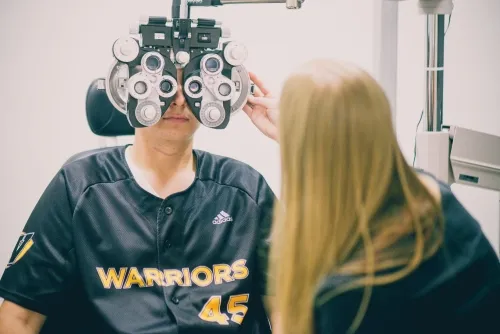
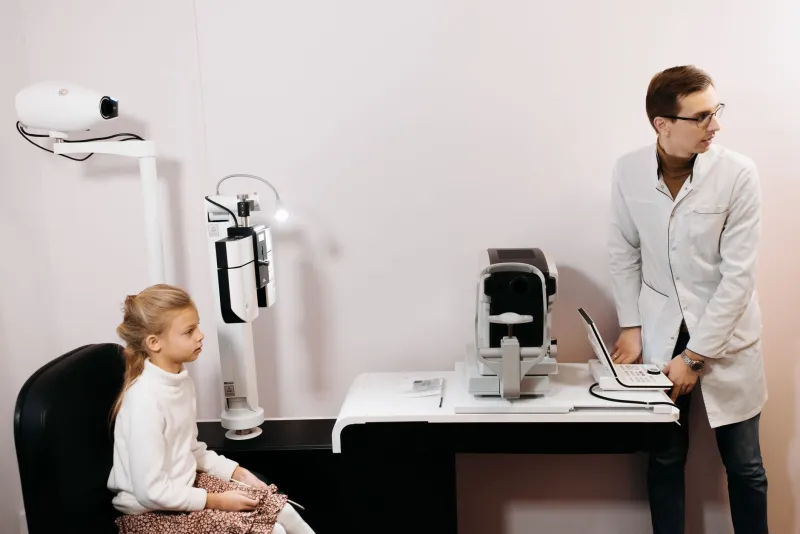
Diagnostic and exam equipment ($80,000–$150,000). A fully equipped lane with a phoropter, slit lamp, chair and stand, and autorefractor is the baseline. Add an OCT, visual field analyzer, and digital retinal imaging, and the figure climbs fast. Financing through equipment lenders at terms of five to seven years is standard, and leasing can preserve working capital at the cost of higher total expense.
Initial inventory ($15,000–$40,000). Frames, contact lenses, and solutions. A well-curated board of 400 to 600 frames is typical for a new independent, and inventory mismanagement is one of the most common early mistakes.
Technology, billing, and EHR ($15,000–$30,000). Practice management software, credentialing support, phone systems, and a functioning website are no longer optional in a market where patients expect online scheduling.
Working capital ($30,000–$60,000). Perhaps the most neglected line item. Rent, payroll, and insurance premiums do not wait for your patient panel to mature. Lenders and consultants consistently identify undercapitalization — not poor clinical work — as the leading cause of early practice failure.
Credentialing and the Waiting Game
Before the first patient can be seen and billed, insurance panel participation must be secured. Credentialing with Medicare, Medicaid, VSP, EyeMed, and regional payers routinely takes 90 to 180 days. Experienced practitioners build this timeline into their launch plan; first-time owners frequently discover it too late and watch months of rent accrue while paperwork sits in payer queues.
Staffing and the First Hire
Most new practices open with an optician-front desk hybrid and add a second staff member within the first year. Budget $35,000 to $50,000 annually per hire plus payroll taxes and benefits. Understaffing saves money in month one and costs patients in month six when phone calls go unanswered and recall rates collapse.
How Long Until the Practice Pays You?
The honest answer, drawn from consultants who track cold-start performance: most new practices reach breakeven — revenue covering expenses including a modest owner draw — somewhere between months 12 and 24. Meaningful profitability, where owner income rivals or exceeds a corporate salary, typically arrives in years two through four. Growth in year one is driven overwhelmingly by recall, reviews, and referral relationships with local physicians, not by signage alone.
Is Ownership Still Worth It?
For the right candidate — one with tolerance for financial risk, some business training or a strong advisor network, and a market that is not already saturated — independence remains the highest-ceiling path in the profession. But it should be evaluated with the same rigor as any investment: a written business plan, a lender relationship secured before the lease is signed, and a realistic understanding that the first two years are a construction project, not a payday.
Schools graduate clinicians. Ownership demands that clinicians also become, quickly and competently, small business operators. Those who plan for that second job are the ones who make independence pay.